
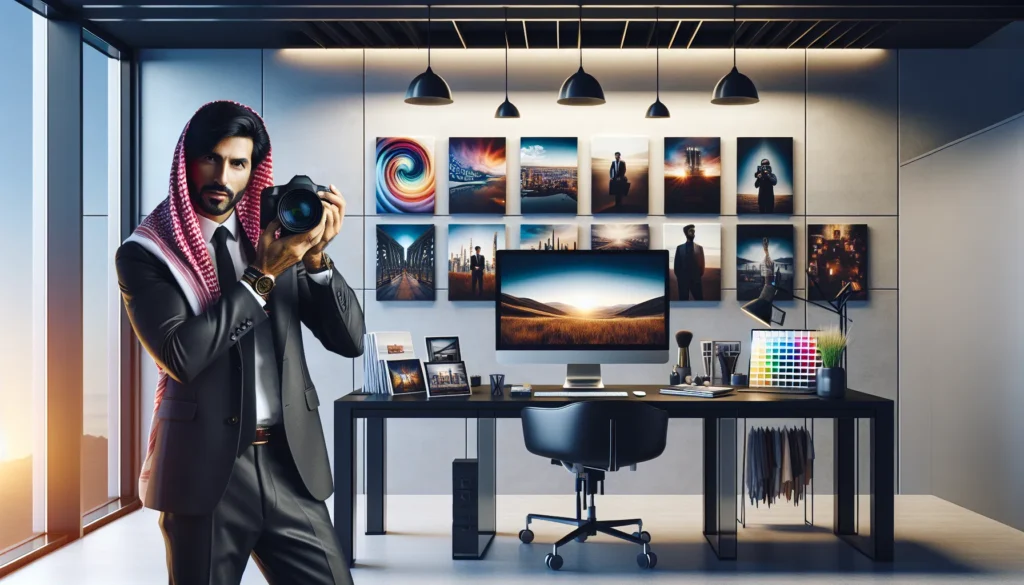
Have you ever stumbled upon an image that tells a thousand stories, each more captivating than the last? Welcome to the intriguing realm of Photoaxompanha. We’re not talking about a fancy term conjured up in a brainstorming session: this is the art of bringing photographs to life through storytelling. Get ready to dive deeply into how this intriguing concept captures our imagination, enriches our visual experiences, and might even elevate our Instagram game.
Photoaxompanha

Historical Context and Origin of Photoaxompanha
The roots of Photoaxompanha stretch back to the dawn of photography itself. From the earliest daguerreotypes to today’s digital explosions, storytelling has always been inherent in our engagement with imagery. Early photographers like Julia Margaret Cameron and Alfred Stieglitz understood the power of narrative. They photo tailored their images to evoke emotions, telling stories well beyond the visible frame. As we advance through the technological timeline, filmmakers and photographers alike began incorporating elements of composition and framing to enrich their narratives. This journey has led us to a point where the term Photoaxompanha is not just a buzzword, but a testament to centuries of creative evolution.Key Components of Photoaxompanha
Let’s break down this art form into its fundamental components. First, we have the Subject. What we choose to shoot must evoke an emotion or tell a story. Next is Composition: the arrangement of elements within the frame is crucial in conveying our intended message. Light is another essential factor, natural or artificial, it can dramatically alter the mood. Then comes Context. The background and setting help establish a narrative and give viewers a more profound understanding of what they are experiencing. Finally, we have Emotion. We want our images to resonate on a personal level, connecting with our audience in unexpected ways.Techniques and Styles in Photoaxompanha
When we jump into techniques and styles, the possibilities are endless. One approach is the use of depth of field, focusing sharply on the subject while softening the background. This technique elevates the viewer’s attention to the narrative we want to convey. Alongside this, we can explore the concept of leading lines in our composition. They guide the viewer’s eye through the image, enhancing our storytelling abilities. Also, the use of color theory cannot be overlooked: colors stir emotions and can dictate the mood of our photographs. Finally, let’s talk about candid shots: these often reveal raw, authentic moments that can tell a story far better than staged photographs.The Role of Technology in Photoaxompanha